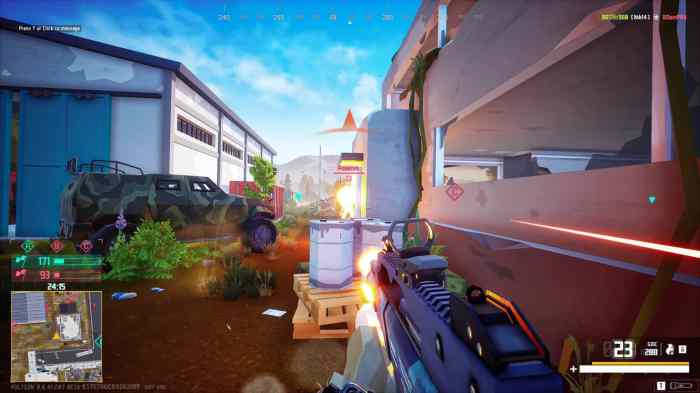
Overview of Competitive & Free-to-Play Shooters
Competitive shooters are a unique genre of video games that emphasize skill, strategy, and teamwork. These games often feature fast-paced gameplay with mechanics that reward precision, reaction time, and tactical thinking. The rise of free-to-play models has significantly transformed the gaming landscape, allowing players to experience high-quality games without the upfront costs usually associated with premium titles. This shift has democratized access to competitive gaming, allowing a broader audience to engage with the genre. Over the years, the evolution from premium-priced games to free-to-play models has reshaped how players interact with games, leading to innovations in gameplay, monetization, and community engagement.
Significance of Free-to-Play Models
Free-to-play (F2P) models have become a cornerstone of the gaming industry. They lower the barrier for entry, enabling more players to try out a game without financial commitment. This model often relies on in-game purchases, which can enhance gameplay or provide cosmetic upgrades. The significance of F2P models lies in their ability to create large player bases, fostering vibrant communities and competitive environments. As the genre has transitioned from premium purchases to F2P offerings, we’ve seen a notable evolution in both game design and player engagement.
Evolution of Shooters from Premium to Free-to-Play
The transition from premium shooters to free-to-play models has been marked by several key developments:
- Initial launch of premium titles that required upfront payment.
- Introduction of multiplayer modes in premium games, creating a demand for more accessible options.
- Emergence of highly successful F2P games, showcasing the potential for revenue through in-game purchases.
- Increased competition leading to better quality games in the F2P space.
Popular Titles in the Genre
The competitive free-to-play shooter genre has seen many titles rise to prominence, each bringing unique gameplay mechanics and features. Some of the top titles currently available include:
Top Competitive Free-to-Play Shooters
- Valorant: A character-based tactical shooter that emphasizes strategy and teamwork with unique agent abilities.
- Apex Legends: A battle royale game that combines traditional shooter mechanics with hero-based gameplay and squad tactics.
- Call of Duty: Warzone: A free-to-play battle royale that integrates classic Call of Duty elements, providing a familiar yet fresh experience.
- Fortnite: Blends shooter mechanics with building elements, making it a standout in the battle royale genre.
Gameplay Mechanics Comparison
When comparing gameplay mechanics across these popular titles, several distinct features emerge:
| Game Title | Gameplay Mechanics | Unique Features |
|---|---|---|
| Valorant | Tactical shooting, agent abilities | Ability-based gameplay |
| Apex Legends | Hero abilities, ping system | Strong squad dynamics |
| Call of Duty: Warzone | Fast-paced action, loot system | Classic Call of Duty mechanics |
| Fortnite | Shooting and building mechanics | Building structures for combat |
Game Mechanics and Strategies: Competitive & Free-to-Play Shooters
Understanding the core mechanics of free-to-play shooters is crucial for players aiming to excel in competitive environments.
Common Game Mechanics
Many free-to-play shooters share common mechanics, including:
- Weapon customization and loadout systems that allow players to tailor their gameplay experience.
- Character or agent abilities that provide unique advantages in combat.
- Dynamic maps that offer strategic points of interest and varying gameplay styles.
Effective Strategies for Success
Achieving success in competitive gameplay often hinges on several key strategies:
- Mastering the mechanics of your chosen game, including weapon handling and movement.
- Utilizing maps effectively to take advantage of high ground and cover.
- Adapting your playstyle based on your team’s composition and the opposing team’s strategies.
Importance of Teamwork and Communication
Teamwork and communication are vital components of competitive shooters. Coordinating with teammates through voice or text communication enhances strategic planning and execution during matches. Establishing roles within teams can lead to more effective gameplay, as players can focus on their strengths.
Monetization Strategies in Free-to-Play Shooters
The monetization strategies employed in free-to-play shooters are diverse and often innovative, focusing on enhancing the player experience without compromising gameplay integrity.
Monetization Techniques
Free-to-play shooters typically utilize various monetization techniques, including:
- Cosmetic microtransactions, allowing players to purchase skins and items that do not affect gameplay.
- Battle passes that provide exclusive rewards over a season.
- Loot boxes that offer randomized rewards, which can sometimes include powerful items.
Impact of Microtransactions
Microtransactions can significantly impact the player experience. While they provide developers with a revenue stream, concerns about fairness and pay-to-win scenarios can arise. Players may feel pressured to spend money to remain competitive, leading to mixed sentiments within gaming communities.
Ethical Considerations
The ethical implications of monetization in free-to-play shooters are a topic of ongoing debate. Developers must balance profitability with player satisfaction, ensuring that monetization strategies do not exploit players while maintaining a fair competitive environment.
Community and Competitive Scene
The community surrounding competitive free-to-play shooters plays a pivotal role in shaping their success and longevity.
Community Engagement Influence
Community engagement is a driving force behind the popularity of many games. Active forums, social media groups, and fan-made content contribute to a game’s vibrancy and longevity. Developers often rely on community feedback to improve gameplay and introduce new features.
Role of Esports
Esports has become integral to competitive free-to-play shooters, with tournaments and leagues attracting professional teams and players. These events not only generate excitement within the community but also serve as a platform for players to showcase their skills on a global stage.
Community-Driven Events and Tournaments, Competitive & Free-to-Play Shooters
Community-driven events and tournaments foster a sense of belonging and competition among players. These events often lead to the discovery of new talent and provide opportunities for players to engage with one another in meaningful ways.
Future Trends in Competitive & Free-to-Play Shooters
The genre of competitive free-to-play shooters continues to evolve, with emerging trends influencing gameplay and community dynamics.
Emerging Trends
Several trends are shaping the future of competitive shooters:
- Increased focus on cross-platform play, allowing players on different devices to compete together.
- Integration of artificial intelligence to enhance matchmaking and gameplay experiences.
- Innovative use of virtual reality and augmented reality technologies, pushing the boundaries of traditional gameplay.
Technological Advancements
Technological advancements will play a critical role in defining future game design, from improved graphics and physics to more sophisticated matchmaking algorithms. These developments promise to create more immersive and engaging gameplay experiences.
Forecast on Gaming Communities
The evolution of competitive gaming communities will likely continue to emphasize inclusivity and accessibility. As more players engage with competitive shooters, the communities will expand, fostering diverse interactions and shared experiences.
Challenges and Criticisms
Despite the popularity of free-to-play shooters, players encounter a variety of challenges that can hinder their experience.
Common Challenges Faced by Players
Some common challenges include:
- Balancing skill levels within matchmaking systems, which can lead to frustration for new or less experienced players.
- Dealing with toxic behavior and harassment within player communities.
- Understanding the monetization model and how it affects gameplay.
Criticisms Surrounding Balance and Fairness
Critics often highlight issues related to game balance and fairness. Concerns about pay-to-win elements or exclusive content that can give certain players an unfair advantage can detract from the competitive integrity of these games.
Sustainability of Free-to-Play Models
The long-term sustainability of free-to-play models remains a topic of discussion. While they provide immediate access to a large player base, ongoing engagement and revenue generation through microtransactions are essential for the continued success of these games.
Recommendations for New Players
For newcomers to the competitive shooter genre, starting can be both exciting and daunting. Here are some recommendations to ease the transition.
Guide for Newcomers
New players should consider the following steps to get started:
- Familiarize yourself with the game mechanics of your chosen title through tutorials and practice modes.
- Watch experienced players on streaming platforms to learn strategies and gameplay tips.
- Join communities or forums to connect with other players and gain insights.
Selecting the Right Game
Choosing the right game is crucial for enjoyment and engagement. Consider factors such as:
- Your preferred gameplay style (tactical vs. fast-paced).
- The community and player base within the game.
- Available support and resources for new players.
Resources for Improving Skills
To continuously improve skills, players can utilize a variety of resources, including:
- Online tutorials and guides that cover advanced techniques.
- Practice and training maps designed by the community.
- Participating in casual matches to gain experience without pressure.